
Topics in the recorded lectures
- What signals do dogs use to communicate, and what do they mean?
- How dogs naturally understand and respond to body language, gestures, eye contact, facial expression and tone. Examples of free-living dogs (street dogs) explored.
- Why care about stress in modern loving homes? What causes stress in "pampered pooches"? How to recognise stress and what to do about it?
- Ways to safely approach and handle dogs, without need for muzzles, restraint and training. We only use our body language. This is the BHARCS way.
- The dominance myth and the truth about social structure of dogs, as revealed by lives of free-living dogs (street dogs)
- Understanding fear and fear related behaviours in dogs.
- Why, when and how to reassure dogs and how to build secure attachments.
- Impact of punishments, restraints and training on dogs.
- Understanding how to draw boundaries without need for yelling, training or restraining.
- Ergonomic equipment for dogs, outdoor management & stress-free leash handling, without training.
Pre-recorded Topic List
The following is a list of all the videos you get access to. You will have lifetime access to go over them at your own pace. Sign up for live sessions to discuss these ideas, as you put them to practise.
- CC1: Introduction to Canine Communication
- CC2: Non-verbal communication in humans
- CC3 : Introduction to communication in non-human animals
- CC4 : Introduction to communication in dogs
- CC5 : The power of human-dog communication
- CC6 : The natural history of dogs and impact on communication
- CC7 : The significance of context
- CC8 : Vocalisation in dogs
- CC9 : Distance creating signals in dogs
- CC10 : Video analysis of distance creating signals in dogs
- CC11 : What are calming signals
- CC12 : The context of calming signals
- CC13 : Curving
- CC14 : Sitting and lying down
- CC15 : Freezing
- CC16 : Head turns and body turns
- CC17 : Playbow
- CC18 : Splitting
- CC19 : Sniffing
- CC20 : Signals dogs use on us
- CC21 : Other signals, signs and behaviours
- CC22 : Nishi and Whitey
- CC23 : Cheeru and Whitey
- CC24 : Cheeru and Blacky
- CC25 : Nishi and Jack
- CC26 : A collection of videos
- CC27 : Guilty dog 1
- CC28 : Guilty dog 2
- CC29 : Your own video
- CS Conclusion
- PI1 : Introduction
- PI2 : Why start with meet and greet
- PI3 : The incorrect way to meet dogs
- PI4 : The polite way to meet and greet dogs
- PI5 : Touch
- PI6 : Sitting next to unknown dogs
- PI7 : Use of food with dogs
- PI8 : Calling and approaching dogs
- PI9 : Dealing with lunging dogs
- Video analysis of people inviting dogs
- PBL1 : Introduction to Ethology
- PBL2 : Significance of calming dogs down
- PBL3 : Introduction to SNS activation
- PBL4 : Impact of SNS activation
- PBL5 : Signs of the “cup filling”
- PBL6 : Chewing
- PBL7 : Sniffing
- PBL8 : Thinking
- PBL9 : Diet, Sleep, Aroma & Music
- PBL10 : Our emotions
- PBL11 : History & Breeds
- PBL12 : Health
- PBL13 : Exercise
- PBL14 : Other “cup fillers”
- PBL Resource : Be careful when using treats
This month in the Auditorium
Start CE101 by 30 September to join.
Conclave: Sunday 11 October
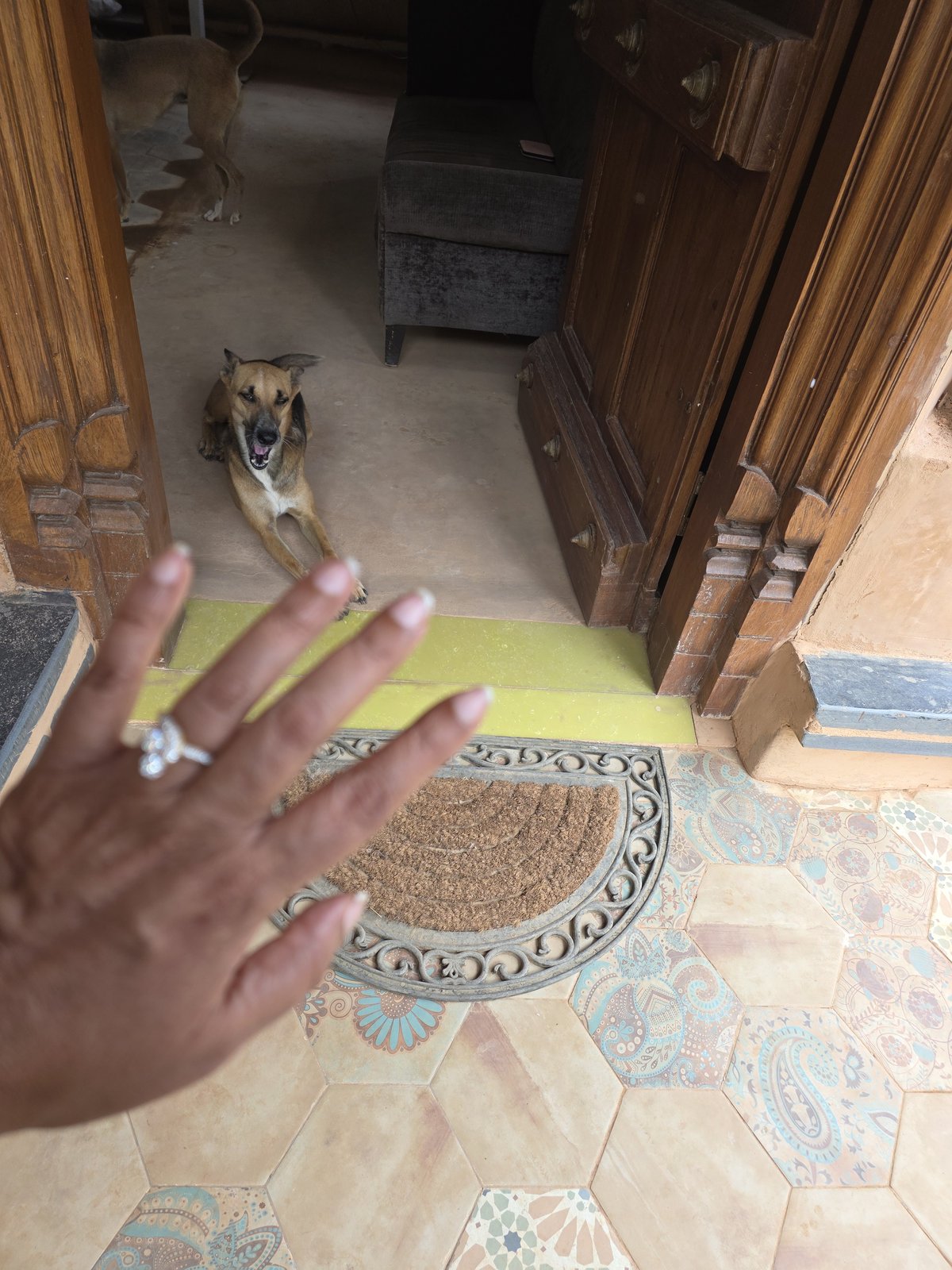
How to use a simple gesture to improve your relationship with your dog. We will use the recently published paper on the Open Palm Gesture to discuss how dogs read this simple and ancient gesture, and how that, over time, shapes the relationship itself.
Monsoon special: 35% off CE101 with code REASSURE35 until 30 September, on the occasion of the Open Palm Gesture Conclave.
AMA: Sunday 4 October
Bring whatever is happening with your dog, or the dogs you work with, and think it through together with Sindhoor and other learners.
Conclaves explore a new idea each month. You can recommend topics of interest to you. If your topic is selected, Sindhoor will do the homework of researching it for you, and you explore it through a lively discussion with your peers.